Materials · the ten species
The materials.
Ten species, one spectrum — pale to black, no stain. The tone is the wood itself, and the making prices the same across all ten, so the board alone sets the difference. Tap any species for its full page, or send it straight to the configurator.
UNDECIDED? START HERE
Help me choose.
Five taps name a species. Or start where most projects end — the two most-ordered boards below — and let four questions settle the rest.
FIVE TAPS DECIDE
The species finder.
Answer five questions and the finder names a species — with the reasons, a one-tap path into the configurator, and a sample to confirm it. No account, nothing stored about you.
01 · THE PIECE
What are we building?
OR START WHERE MOST PROJECTS END
WALNUT
MOST POPULARThe board people choose with their eyes. Deep chocolate heartwood with a natural range from amber to near-purple, and the only domestic species that reads dark without a drop of stain. It anchors dining tables, desks, and conference tops — anywhere the piece is meant to be the room’s center of gravity. Hard enough for daily use; for knife work, look to Hard Maple instead.
THE WALNUT PAGE →WHITE OAK
MOST POPULARThe workhorse favorite. A calm mid-tone that flatters nearly any room, straight tight grain, and hardness that shrugs off restaurant service and working kitchens alike. It lives easily beside the oak flooring in most American homes, and its closed, tylose-filled pores are why it holds up around water. When a project has to please everyone, this is the answer.
THE WHITE OAK PAGE →1 · BY TONE
Want the room light? Hard Maple is the pale end; Movingui adds a true gold. The middle belongs to the oaks — White Oak is the anchor most rooms reach for. Warmth comes from Genuine Mahogany — and Padauk opens a vivid red before settling to brown; depth from Walnut; and the dark end runs through Wenge to true-black Macassar Ebony. One more rule of thumb: every species deepens a shade under the clear coating — judge the oiled side of a sample, not the raw face.
2 · BY WHAT IT SURVIVES
Daily service — restaurant tops, working kitchens — favors the hard end of the Janka column: Hard Maple, White Oak, Wenge. A true chopping surface is Hard Maple in end grain — the cut closes on itself instead of scarring. Around sinks and water, closed-pore species earn their keep: White Oak and Iroko over the open-pored reds. Anything living outside starts with Iroko — African teak, the one board on the spectrum built for weather (true Teak runs as a custom order). Left untreated outdoors it weathers to an even silver-grey patina that many owners prefer; an exterior oil regimen keeps the original color instead. Either way the board itself holds up — the choice is purely about the look.
3 · BY WHAT IT LIVES WITH
Matching existing wood is almost always a species question, not a stain question. Oak floors want White Oak; walnut millwork wants Walnut; warm reddish cabinetry usually points to Genuine Mahogany — the family the cabinets are imitating. Contrast works too — Walnut against pale floors is a classic for a reason.
4 · BY BUDGET
The making — milling, glue-up, finishing — prices the same across all ten species; the board alone moves the number. The MATERIAL column in the table below shows each species’ relative board cost from the live rate card, $ to $$$$$$. Hard Maple and White Oak hold the approachable end without giving up real hardwood; the exotics and Macassar Ebony sit at the top. Worth knowing for outdoor work: Irokodelivers most of what teak is prized for at a fraction of the board cost — it’s why we stock it. Exact numbers are a configurator away — price the same piece in two species and compare.
WHY THERE’S NO STAIN MENU
We believe the most beautiful color a board can wear is its own — so instead of one wood in many costumes, we carry ten woods, each in its natural color, sealed in a clear coating that deepens the grain instead of covering it. The one honest exception is color-matching wood you already have: when a project must sit beside existing stained millwork, the shop takes that on as a custom request, matched to your sample.
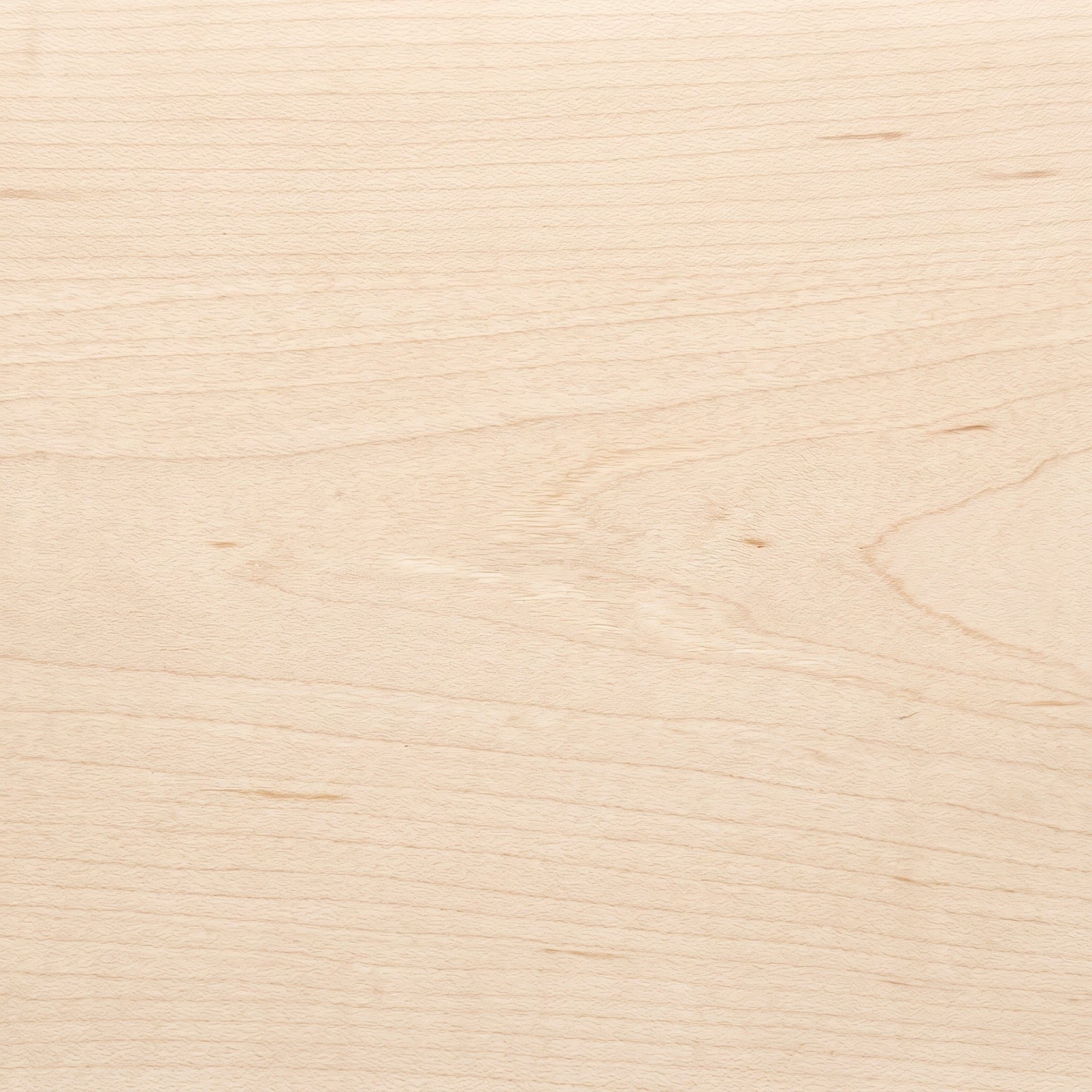 Hard Maple01
- TONE
- 01 — THE PALE END
- GRAIN
- CLOSED, FINE · NEARLY WHITE
- HARDNESS
- 1450 LBF
- MATERIAL
- $$$$$$
- CUTS
- PLAIN
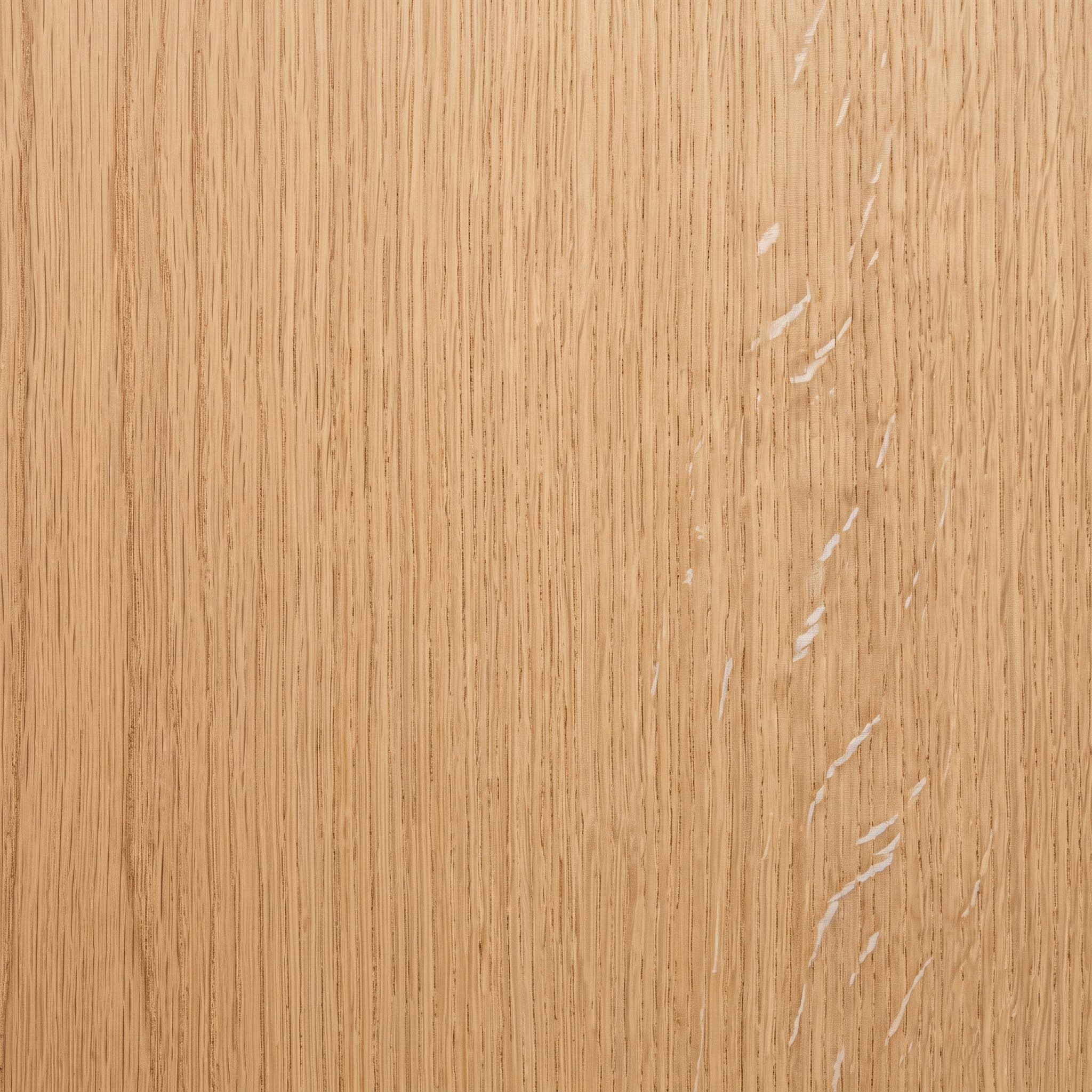 White Oak02
- TONE
- 02 — THE ANCHOR OF THE SPECTRUM
- GRAIN
- TIGHT, EVEN · RAY FLECK QTR
- HARDNESS
- 1360 LBF
- MATERIAL
- $$$$$$
- CUTS
- PLAIN · RIFT · QTR
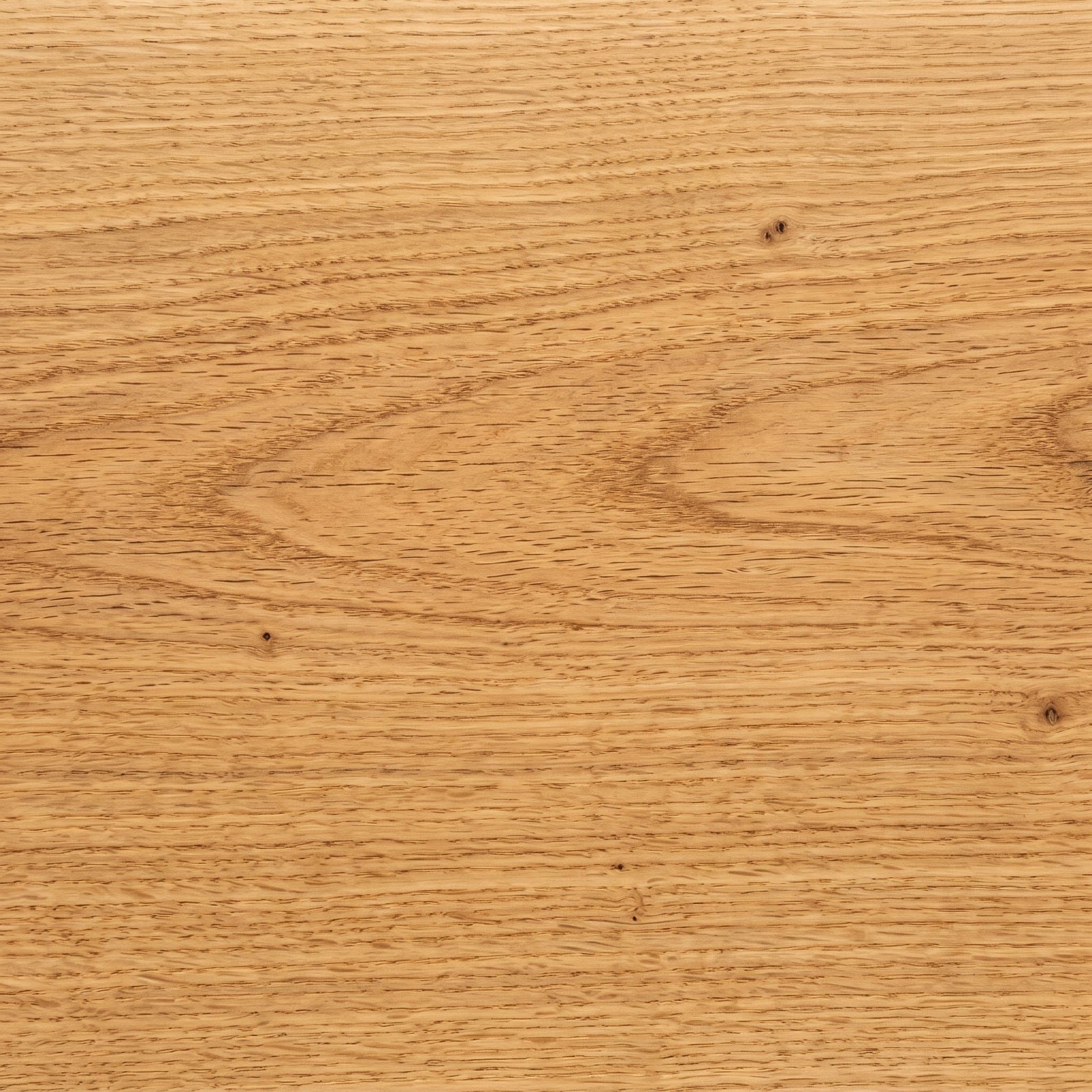 European Oak03
- TONE
- 03 — HONEY
- GRAIN
- GENTLE FIGURE · FINE RAYS
- HARDNESS
- 1120 LBF
- MATERIAL
- $$$$$$
- CUTS
- PLAIN
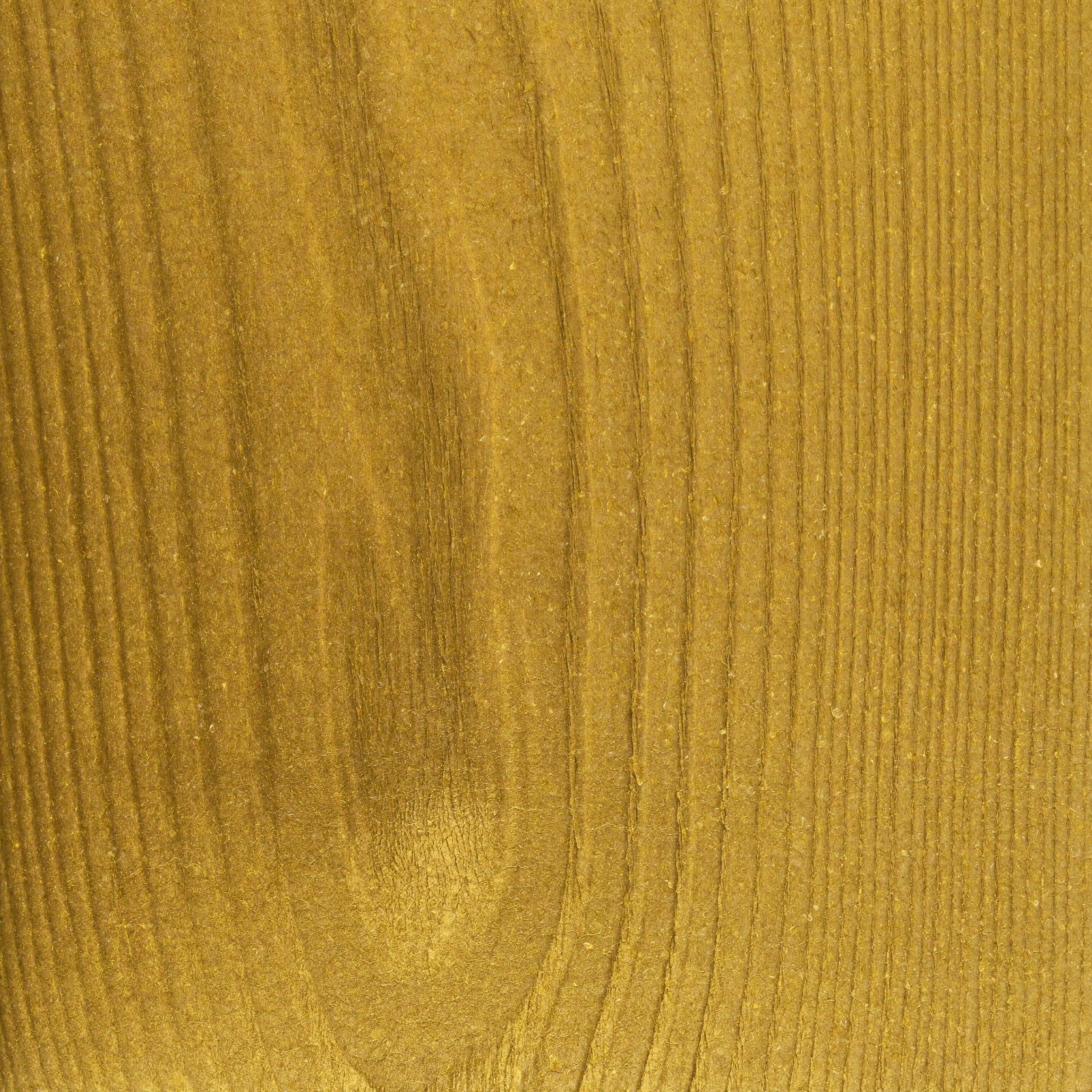 Movingui04
- TONE
- 04 — GOLDEN
- GRAIN
- SATIN RIBBON FIGURE · GOLDEN YELLOW
- HARDNESS
- 1020 LBF
- MATERIAL
- $$$$$$
- CUTS
- PLAIN
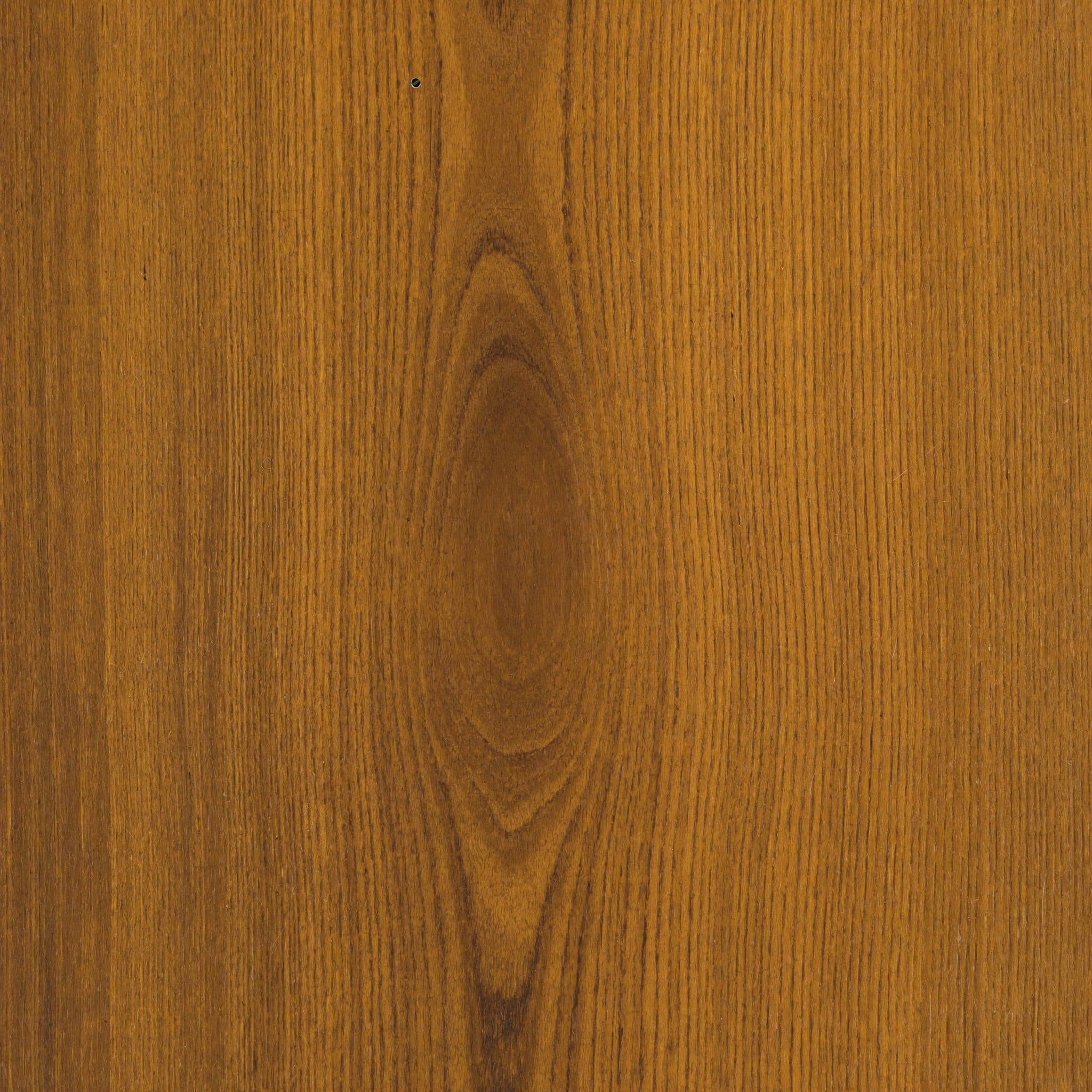 Iroko05
- TONE
- 05 — DEEPENING GOLD
- GRAIN
- INTERLOCKED · GOLD DEEPENING TO BROWNOUTDOOR ✓
- HARDNESS
- 1260 LBF
- MATERIAL
- $$$$$$
- CUTS
- PLAIN
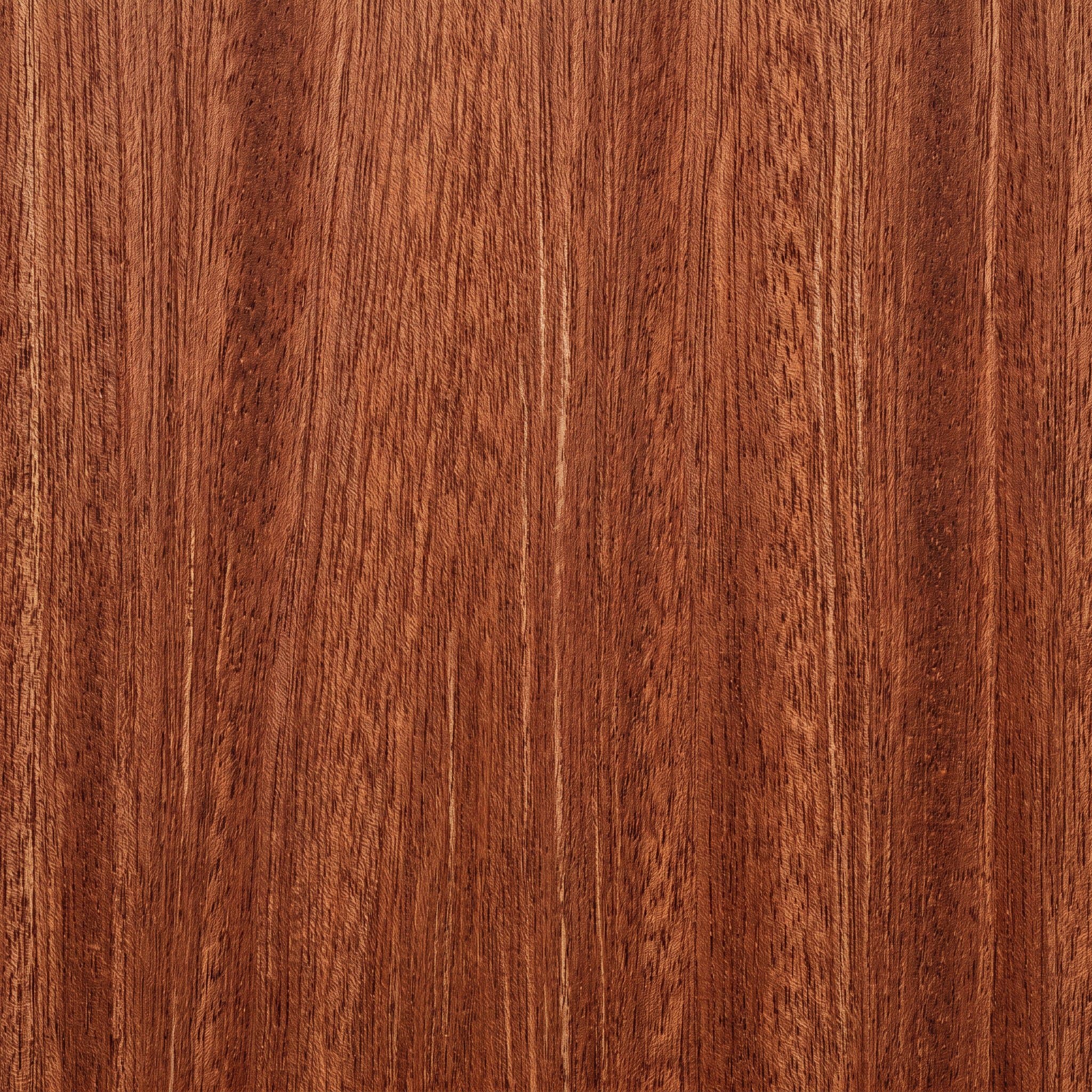 Genuine Mahogany06
- TONE
- 06 — DEEP RED-BROWN
- GRAIN
- FINE, STRAIGHT · CHATOYANT
- HARDNESS
- 900 LBF
- MATERIAL
- $$$$$$
- CUTS
- PLAIN
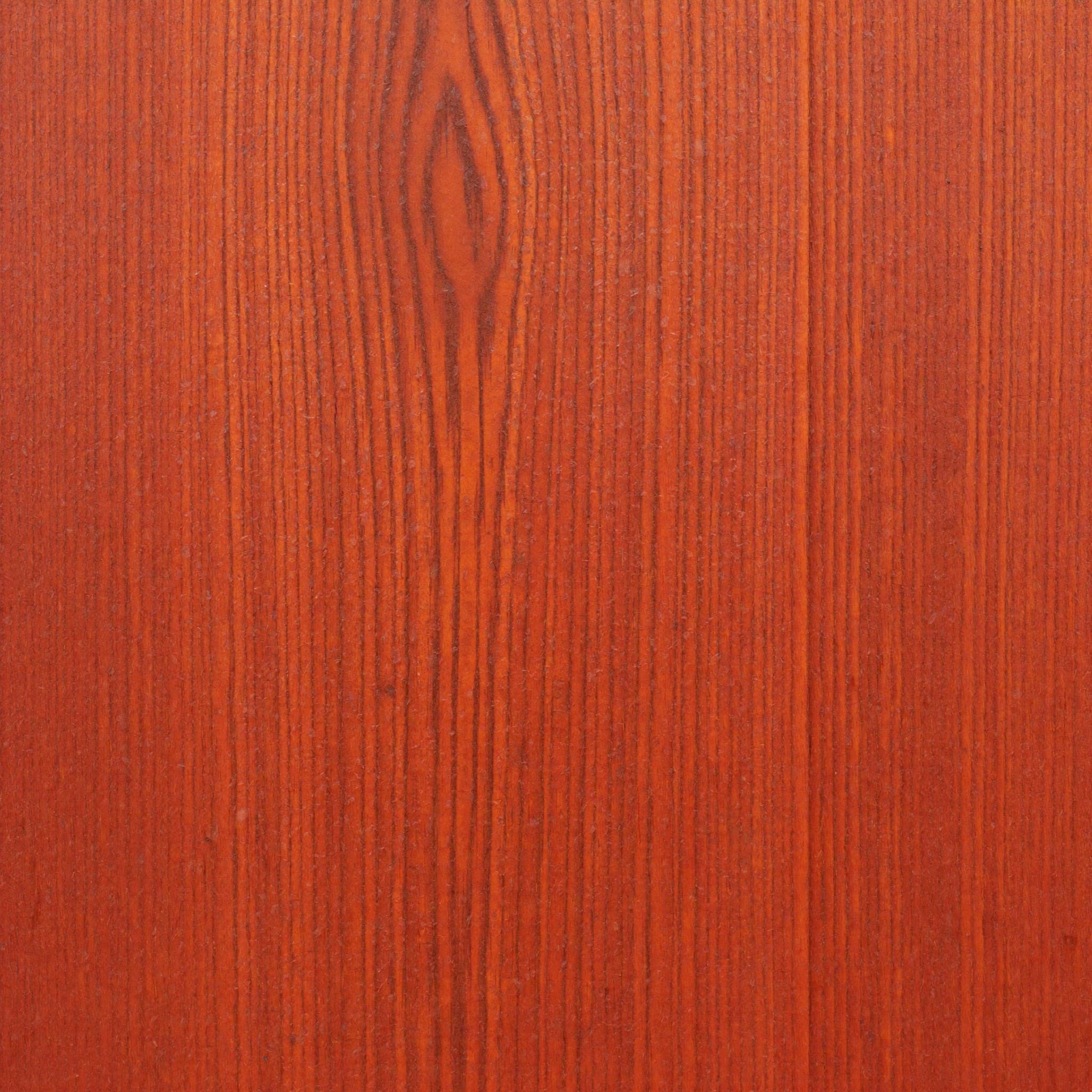 Padauk07
- TONE
- 07 — VIVID RED, AGES TO BROWN
- GRAIN
- STRAIGHT, OPEN · VIVID ORANGE-RED
- HARDNESS
- 1725 LBF
- MATERIAL
- $$$$$$
- CUTS
- PLAIN
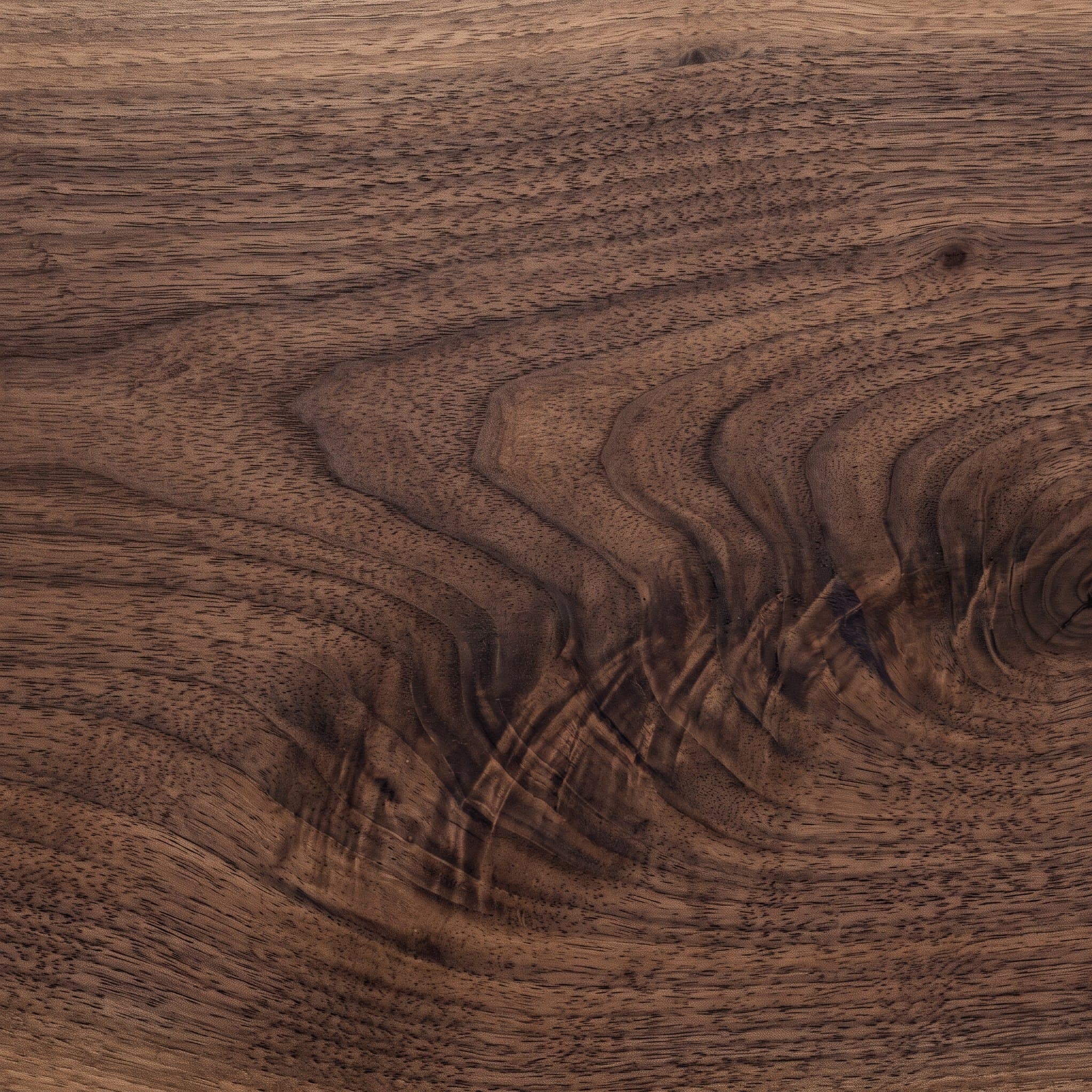 Walnut08
- TONE
- 08 — CHOCOLATE
- GRAIN
- OPEN, FLOWING FIGURE
- HARDNESS
- 1010 LBF
- MATERIAL
- $$$$$$
- CUTS
- PLAIN · RIFT · QTR
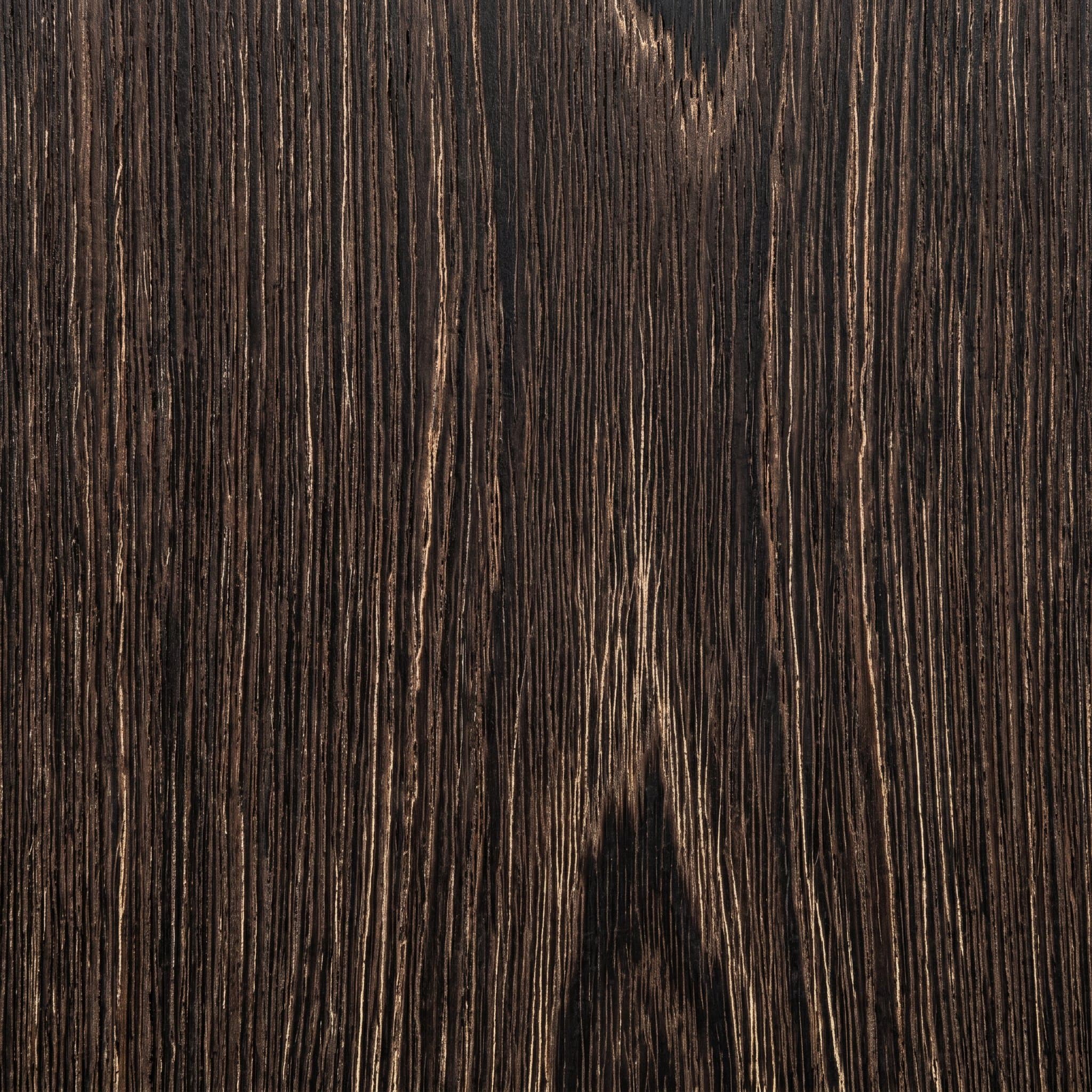 Wenge09
- TONE
- 09 — NEAR BLACK
- GRAIN
- COARSE, DEAD-STRAIGHT · TAN VEIN
- HARDNESS
- 1930 LBF
- MATERIAL
- $$$$$$
- CUTS
- PLAIN
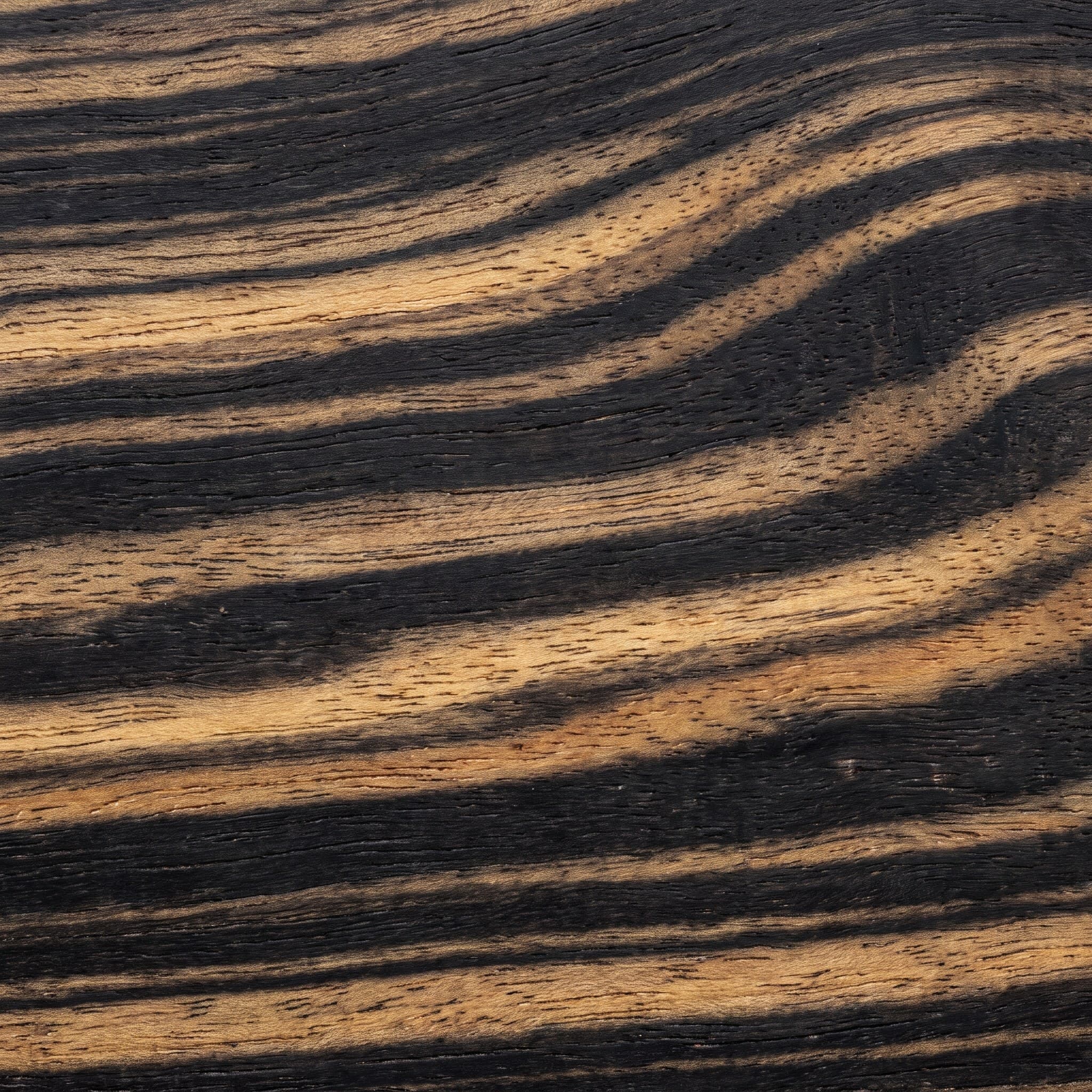 Macassar Ebony10
- TONE
- 10 — THE BLACK END
- GRAIN
- DRAMATIC STRIPING · JET & TAN
- HARDNESS
- 3220 LBF
- MATERIAL
- $$$$$$
- CUTS
- PLAIN
MATERIAL — RELATIVE BOARD COST FROM THE LIVE RATE CARD, $ LOWEST TO $$$$$$ HIGHEST · THE MAKING PRICES THE SAME ACROSS ALL TEN
By custom order
The ten above are what we stock and price live. The species below we source to order — same shop, same making, board priced by quote. Write to us with the piece in mind and we’ll find the lumber.
TEAK
The outdoor benchmark — ship decks and estate furniture. Our stocked answer is Iroko, the African teak.
SOFT MAPLE
Pale cream with a quiet, even grain — a gentler hand than Hard Maple.
RED OAK
Warm pinkish tan, bold cathedral grain — the familiar American oak.
SIPO
The calmest of the mahoganies — uniform reddish brown, few surprises.
SAPELE
Ribbon-stripe figure in warm red-brown — the mahogany family's workhorse.
ZEBRAWOOD
Golden tan striped with dark chocolate — the loudest figure we source. The stocked striped board is Macassar Ebony.
AFROMOSIA
West African golden brown with a fine, teak-like character.
BUBINGA
Rosewood family — deep red-brown, dramatic figure, very hard.
RED BIRCH
The heartwood of yellow birch: warm amber-red with a satin sheen.
FIGURED WALNUT
Black Walnut with curl and crotch figure — one-board statements.
QUILTED MAPLE
Billowing, three-dimensional figure across a pale field.
AMBROSIA MAPLE
Beetle-traced streaks of gray and brown through creamy maple.
NOGAL — PERUVIAN WALNUT
Deeper, darker chocolate than the domestic walnut.
BIRD'S EYE MAPLE
Tiny swirling eyes scattered across hard maple.
CHARACTER OAK
Oak with the knots, mineral streaks, and open grain left in.
Two species, one top
Edge and end grain tops can blend two species in equal parts — alternating strips on edge grain, a checkered field on end grain, arranged at the shop’s discretion. Pairs cross families: Walnut, the maples, the oaks, and the mahogany family mix with each other, never with their own kin — and Padauk joins the oaks and maples. The material line prices as the average of the two boards.
The classic checkerboard — dark on light, the butcher-block standard.
CONFIGURE THIS PAIR →Striped edge grain — the anchor oak with chocolate through it.
CONFIGURE THIS PAIR →Warm red-brown against pale cream — high contrast, quiet grain.
CONFIGURE THIS PAIR →ANY CROSS-FAMILY PAIR CONFIGURES LIVE — CHOOSE A SECOND SPECIES UNDER EDGE OR END GRAIN CONSTRUCTION.
Common questions
Which species is the hardest?
Macassar Ebony — 3220 LBF on the Janka scale, the densest board on the spectrum. Wenge, Hard Maple, and White Oak follow. Janka measures resistance to denting: higher is harder.
Which species matches existing oak floors and millwork?
Usually White Oak — most oak flooring and millwork of the last decades is white or red oak, and White Oak lives comfortably beside both; a true red-oak match runs as a custom-order board. Rift sawn White Oak reads calmest.
Does the species change the price?
Only the material line. Milling, finishing, and delivery — the value add — price identically across all ten species, so the board alone sets the difference. The material band here tracks the live rate card the configurator charges from.
Can you source a species that isn't on the spectrum?
Yes — by custom order. Beyond the ten we stock, the shop sources Teak, Soft Maple, Red Oak, Sipo, Sapele, Zebrawood, Afromosia, Bubinga, Red Birch, Figured Walnut, Quilted Maple, Ambrosia Maple, Nogal — Peruvian Walnut, Bird's Eye Maple, Character Oak, and other species on request. These aren't in the configurator; send the piece you have in mind through a custom request and we'll quote the board.